Month October
-
Deepavali
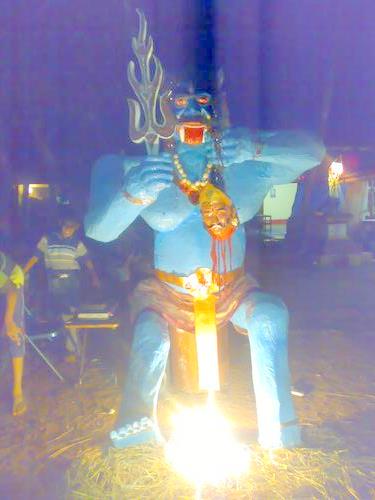
 Bhagavan Sri Ramana says this about the real meaning of Deepavali: “He is Narakasura (demon) who feels attached in the thought that he is the body. That attachment to the body itself is a Naraka (Hell). The life of a person who has that attachment, even if he be a Maharaja, is hellish. Destroying the attachment to the body, and the Self shining by itself as Self is Deepavali”.
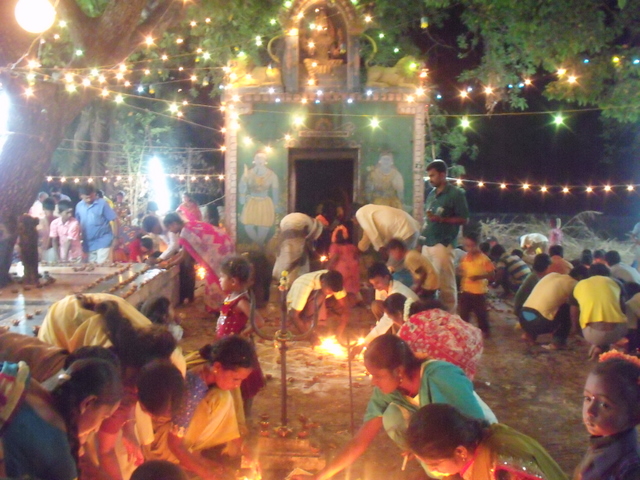
Deepavali is a festival of truimph of good over evil and the word literally means “row of
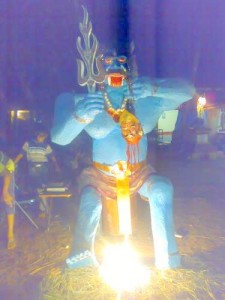 lights”. Though it started as a north-indian vaishnavaite festival it is now celebrated all over India. The legend of Deepavali goes back to times of yore. There was an evil demon called Narakasura who was terrorising the world. People prayed to Lord Krishna to save them and so Krishna came down and slew the demon after a terrible battle. In his last breath, the demon repented his evil deeds and begged Krishna that his death day be celebrated as a festival and that people should wear new clothes, eat sweets and burst fire crackers on that day. Krishna granted the demon his dying wish.
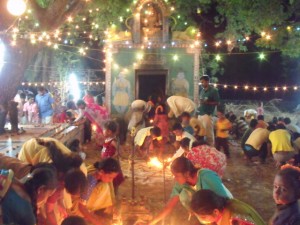 The battle between Krishna and Narakasura took place at night in the forest. After Krishna killed Narakasura, he smeared his forehead with the demon’s blood as a sign of victory and returned to the city at dawn. The women folk received him with joy and gave him a bath to wash the blood off after anointing his head with scented oils. In remembrance of this, on Deepavali, it is still a tradition among the people to wake up at dawn and take an oil bath, that is after applying oil on the head. But the main celebration consists of wearing new clothes and gorging on delicious sweets and setting off a fantastic array of fireworks. This is practiced with great enthusiasm by one and all, especially the youngsters.
continue reading
-
Atma Pradakshina
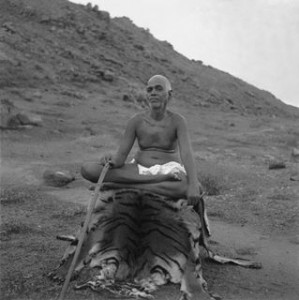 Devotees of Arunachala are well aware of Giri Pradakshina but what is Atma Pradakshina? To find out let us go back to a certain day in May 1946 when Bhagavan was still present physically in the ashram. On that day, Sundaresa Iyer, a devotee who used to bring food for Bhagavan came and bowed before him. Bhagavan asked him, “Did you go around the hill by way of pradakshina ?” “No, said the devotee.” To this Bhagavan said, “last night when people were going out for giri pradakshina because of the moonlight, he also started to go. But he felt he could not complete the round. When they were starting out after telling me, he went around me quickly. When I asked him why he did so, he said, I am afraid I cannot go round the hill. So I have gone around Bhagavan.” “Go round yourself. That will be Atma pradakshina”, so saying Bhagavan began laughing.
Here Bhagavan narrated a relevant story: “Once upon a time, Lord Shiva wanted to teach a lesson to his son Subramanya who fancied himself to be a great sage; so Lord
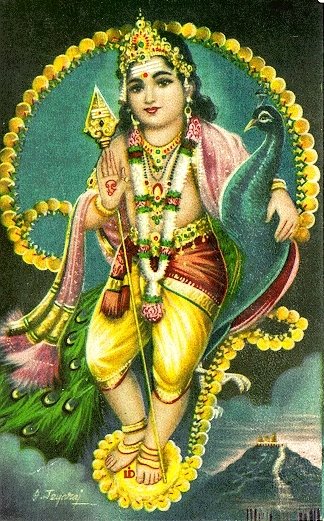
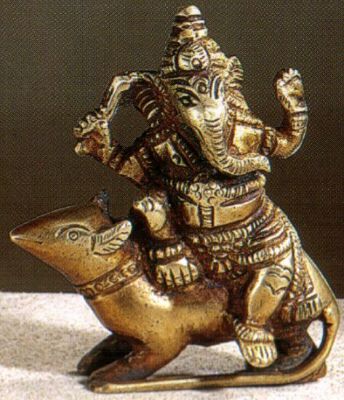
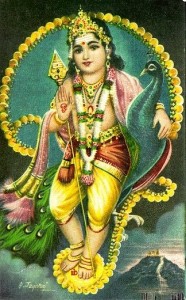 Shiva sat on the top of Mount Kailasam with Parvathi, holding a wonderful fruit in his hand. Seeing the fruit, both the sons of Lord Shiva, Ganesh and Subramanya each asked their father Shiva to give it to him. To this Shiva said that he would give the fruit to whoever of them got back first after going round the whole world. With confidence and pride that he would win the race, Subramanya started immediately riding on his favorite mount, the peacock and began going at a fast pace, frequently looking behind to assure himself that his elder brother Ganesh was not following. What could poor Ganesh do, with his huge belly? His mount was after all a mouse. So he thought it was no good competing with Subramania in the race around the world, and instead went around his parents Lord Shiva and Goddess Parvathi, bowed before them and claimed the reward. When they asked him to justify his action he replied, “All the worlds are contained within you; so if I go around you, it is as good as going round the whole world.” Pleased with his reply, Shiva gave him the fruit and Ganesh started eating it with pleasure.
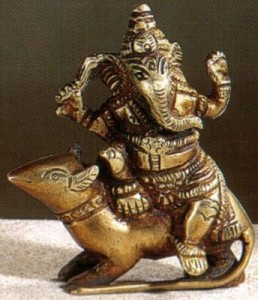 In full confidence that he would be the winner, Subramanya completed his world tour very fast and flew back to Kailash to claim his reward, the fruit from Shiva. To his consternation he found Ganesh sitting there and calmly eating it. Enraged he shouted and asked how that could be, it was unfair and he never saw Ganesh going around before him. So Lord Shiva patiently explained to Subramanya what had happened and how Ganesh came to claim the reward. After hearing this, Subramanya felt ashamed and and realised how full of vanity and pride he was. He bowed humbly before his parents and asked to be pardoned. That is the story.
The significance of this tale is that the ego which goes round like a whirlwind must get destroyed, and must get absorbed in Atma. That is the meaning of Atma Pradakshina” finished Bhagavan.
continue reading
-
Mahishasura Mardhini
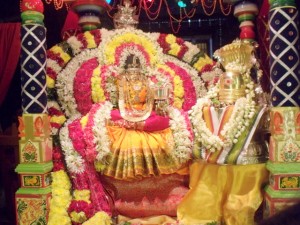 Long long ago there lived a demon (Asura) named Mahisha. He wanted to become invincible and so he prayed to Lord Brahma for the boon of invincibility. With this aim he performed severe penances and austerities. All the three worlds trembled under the strength of his penance. This impressed Lord Brahma who then came down to grant him a boon. Mahisha asked for immortality, which the Lord said he could not have as every creature that was born had to die. Mahisha decided that he would cunningly ask for a boon that would make him as good as immortal. He asked that no man should be able to kill and if he had to die, it should only be at the hands of a woman. He was sure that no woman could ever fight against him however strong she would be.
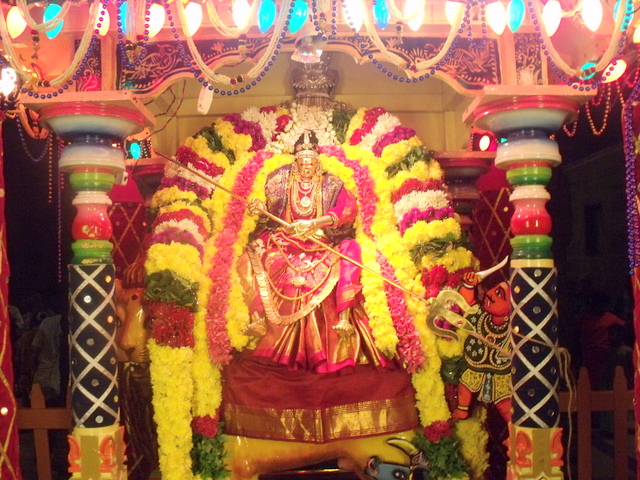
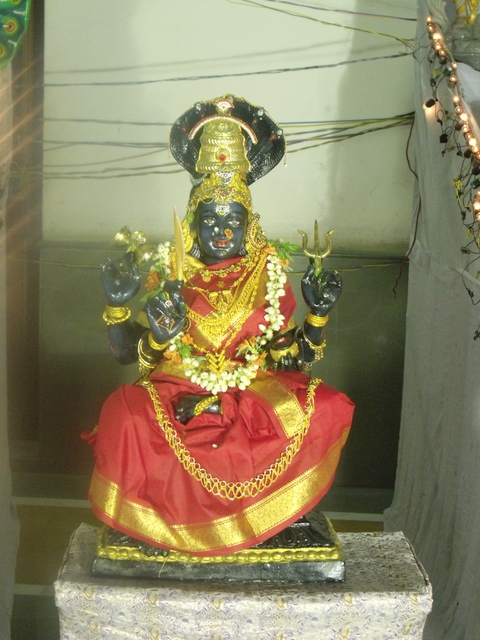
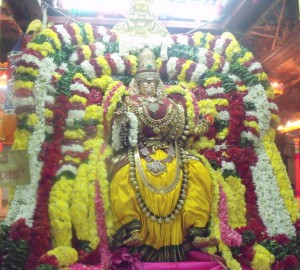 Now that Mahisha was invincible, he started doing evil deeds and terrorising the people on earth and boldly tried to conquer the gods in heaven. His attack was so powerful that even Indra’s mighty thunderbolt could not drive him away. Mahisha drove out the Gods and took over Indra’s throne and started harassing all the pious people who continued praying to Vishnu or Shiva. Unable to tolerate his tyranny, the gods pleaded with Vishnu to put an end to the demon. The Trinity of Brahma, Vishnu and Maheswara (Shiva) joined together to create an all powerful female form with ten arms – Goddess Durga or ‘Mahamaya’, the Mother of the Universe who embodies the primeval source of all power. The gods then bestowed upon this Supreme creation their individual blessings and weapons. Armed like a warrior, the goddess appeared on the back of a fierce lion to battle with the Mahisasura. After a fierce combat the ‘Durgatinashini’ was able to slay the ‘Asura’ king with her trident. She thus earned the title of Mahishasura Mardhini – the destroyer of Mahishasura. Heaven and earth rejoiced over her victory and everyone, gods and humans alike chanted loudly the refrain of supplication before this Supreme Power:
“Ya devi sarbabhuteshshu, sakti rupena sanksthita Namasteshwai Namasteshwai Namasteshwai namo namaha.”
Vijaya Dasami is the day on which this event happened. It is the tenth day after the nine nights of Navaratri and signifies the victory of the Goddess Durga over the powers
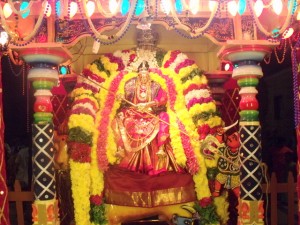 of darkness. It is believed that the famous battle between Durga and Mahishasura took place right here on the slopes of Arunachala. Thus the brave Parvathi took the form of Durga, the fierce Shakthi and screamed at Mahishasura, “This is a sacred place where only sages and devotees of Arunachala can reside, therefore do not incur the wrath of my Lord and be burnt by Him. It is ordained that I should fight and kill you.” Hence She took him outside the borders of Tiruvannamalai. After a nine day battle She slayed him and returned to Tiruvannamalai truimphantly, where She continued her tapas on the slopes of the holy mountain. Thus the Navaratri festival although celebrated all over India, has the greatest significance in Tiruvannamalai.
continue reading
-
Golu in Yogi Ram Ashram
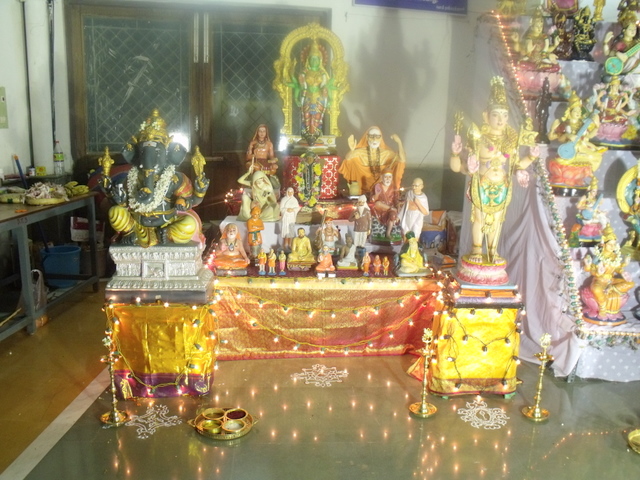
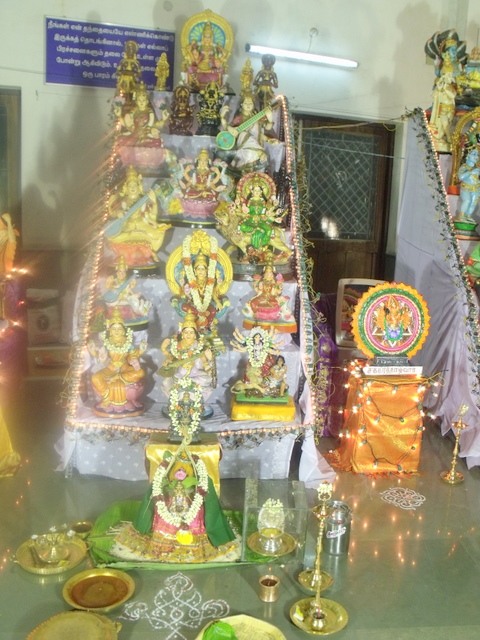
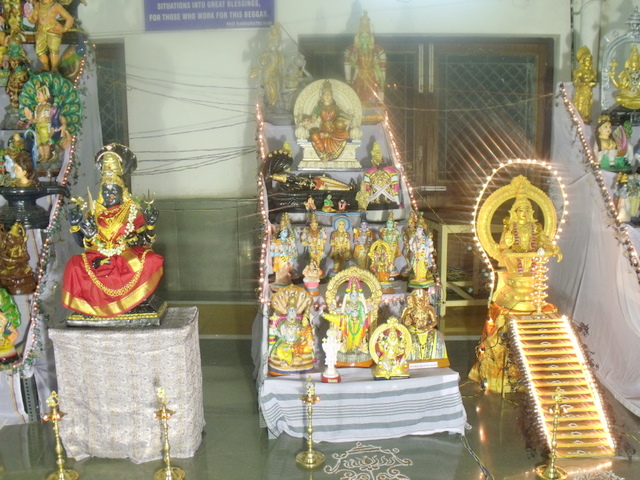
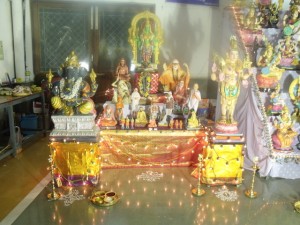 During the Navaratri festival, the Yogi Ram ashram in
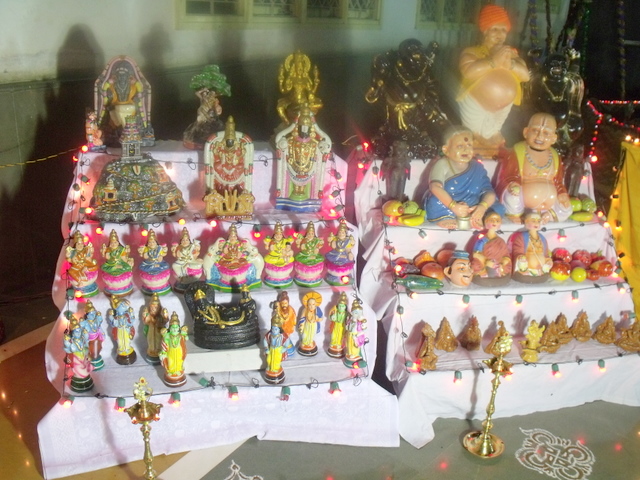
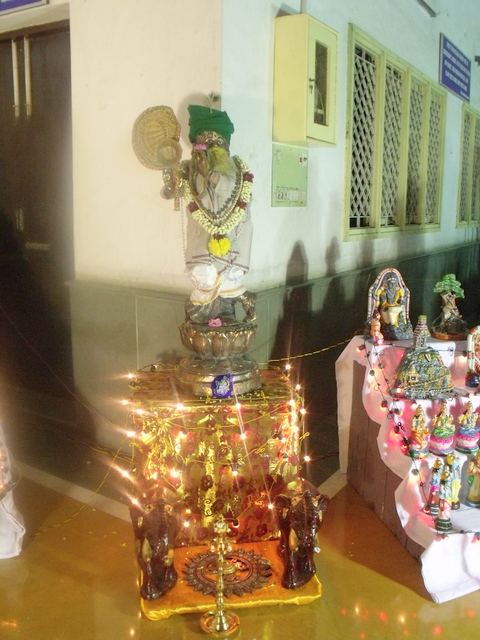
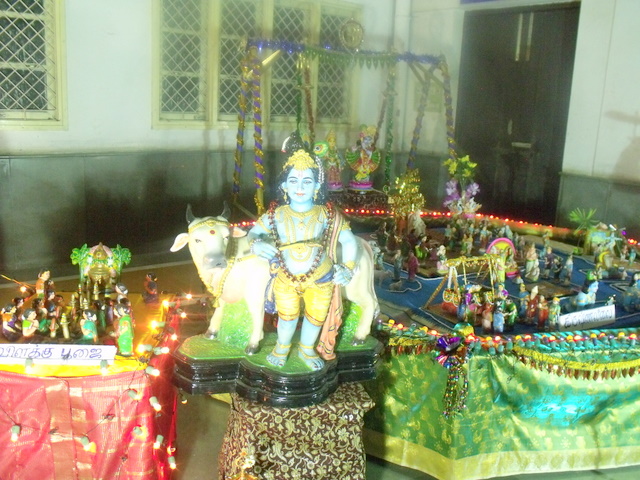
 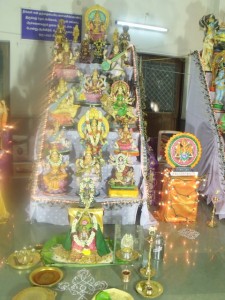 Tiruvannamalai put up a spectacular and fantastic Golu in their main hall. Extending for over a hundred metres, this Golu was a real spectacle to watch. Every God of the hindu pantheon was present. Not only that, all the saints from all religions were also there. Many of the major holy places and temples in India were represented in detail.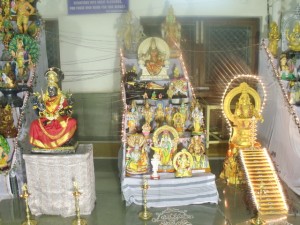
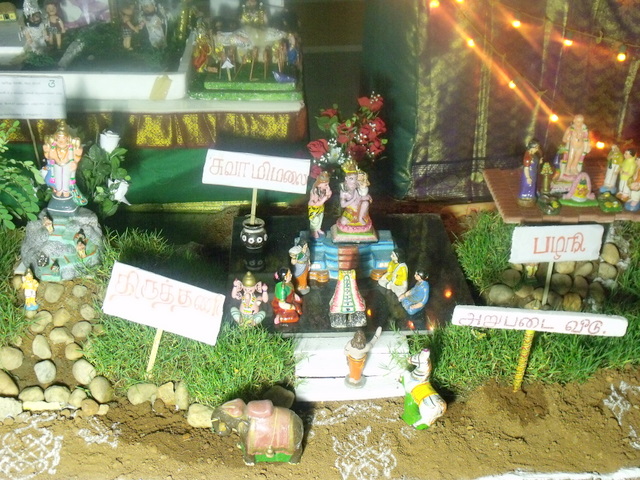
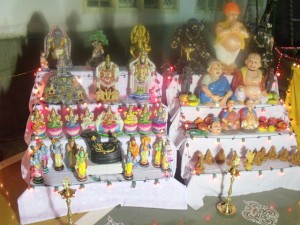 It must have taken days for them to arrange this elaborate Golu. Hilly places were made from real mounds of earth with grass growing on them. Even the rare Amarnath Ice lingam shrine was arranged with the use of
 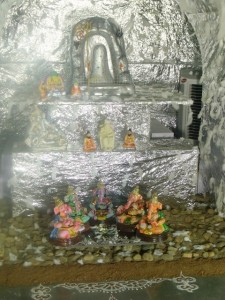 silver foil to make it look like ice. Famous Lord
 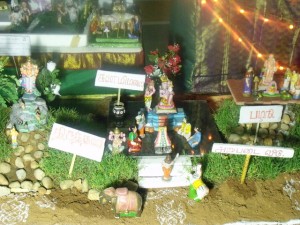 Muruga shrines like Palani, Lord Vishnu shrines like Tirupathi and Lord Shiva shrines like Chidambaram were displayed with the appropriate structures.
The saints were also represented in their forms including a special shrine for Shri Yogi Ram Surath Kumar, the Guru of this ashram whose remains
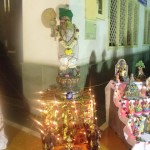 are interred in this place. The Devi goddess was displayed in every one of her numerous manifestations. Beautiful
  kolams were drawn in front of each array of gods and brass lamps were burning with prasad offerings placed in front. Apart from this, there were lovely golden serial lights strung everywhere to give a festive aura to the whole show.
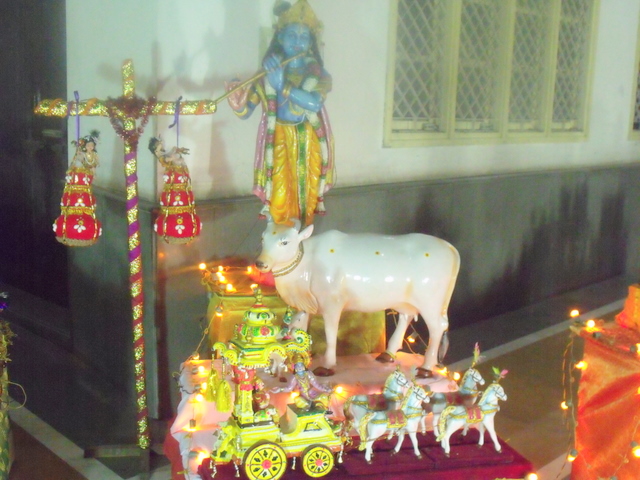
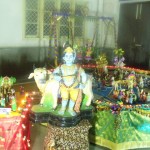
The various Leelas of Sri Krishna were depicted in
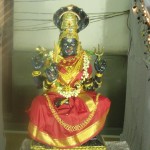 intricate ways and with different sorts of toys and little figures crafted in wood and stone to add ampleur to the story. Sri Krishna, the favorite deity of Yogi Ram was
 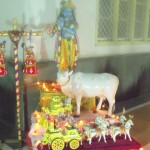 revered in a special shrine in the popular form of the cow herd playing the flute to the Gopika maidens. Many other events from hindu mythology were also depicted with great detail and taste. It was indeed a rare treat to see this wonderful Golu in Tiruvannamalai and devotees were loud in their praises for this splendid and holy exhibition.
continue reading